Français
  Nederlands
The Economic Rationale for Green Real Estate
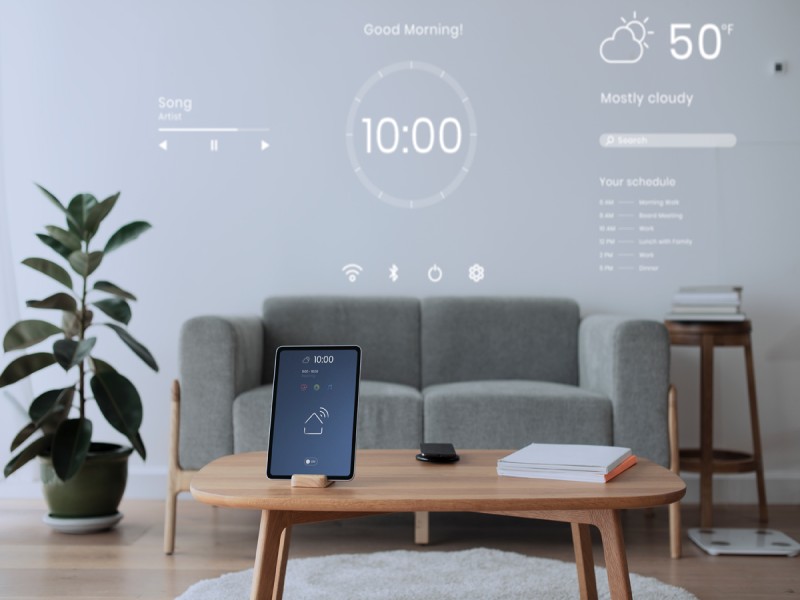
In the contemporary real estate landscape, the shift toward eco-friendly architecture is no longer merely a philanthropic endeavor but a calculated financial strategy. Sustainable buildings, characterized by their high efficiency and reduced environmental impact, are commanding significantly higher market valuations than their traditional counterparts. This trend is driven by lower operating costs, which are achieved through advanced insulation, smart energy management systems, and water-saving technologies. As utility prices continue to exhibit volatility, the predictable and reduced overhead of green buildings provides a compelling buffer for investors and tenants alike.
Furthermore, the sustainability of these structures enhances their long-term viability, mitigating risks associated with future climate regulations and carbon taxation. By prioritizing green certification, owners are future-proofing their assets against the inevitable tightening of environmental building codes, thereby protecting their capital investment from becoming obsolete as stricter standards are implemented globally.
Investor Demand and Occupant Well-being
Institutional investors are increasingly gravitating toward assets that demonstrate superior ESG performance, as these buildings are perceived to carry lower risk profiles. The growing institutionalization of green finance has created a robust market for eco-conscious developments, where high-performance materials and renewable energy sources drive superior valuation metrics. These buildings appeal not only to financiers but also to high-quality corporate tenants who prioritize employee health and corporate social responsibility. Modern workspaces that emphasize natural lighting, superior air quality, and non-toxic materials have been shown to increase productivity and reduce absenteeism significantly.
As a result, the efficiency of these spaces translates into a competitive advantage for landlords, allowing them to command premium rents and enjoy higher occupancy rates. The integration of biophilic design and carbon-neutral goals aligns with the branding requirements of forward-thinking organizations, turning the physical structure into a tool for talent attraction and retention in a tight labor market.
Regulatory Tailwinds and Market Resilience
The global regulatory framework is rapidly evolving to prioritize decarbonization, making traditional, inefficient buildings a potential liability. Governments are implementing stricter energy disclosure requirements and green building mandates that inevitably increase the cost of maintaining older, energy-intensive properties. Owners who fail to adapt face the risk of 'brown discounts,' where the market value of non-compliant buildings diminishes as the cost of retrofitting becomes prohibitive. Conversely, properties built to high environmental standards retain their liquidity, making them preferred assets in a climate-conscious investment climate.
Moreover, the rise of green bonds and favorable financing terms for sustainable developments further incentivizes developers to incorporate green technology into their blueprints. This capital shift creates a virtuous cycle where profitability and environmental stewardship work in tandem. As the industry moves toward net-zero targets, the premiums commanded by high-performance buildings are expected to rise, solidifying their role as the gold standard in the modern, resilient real estate market.